 Go to Sitemap


Endocrinology
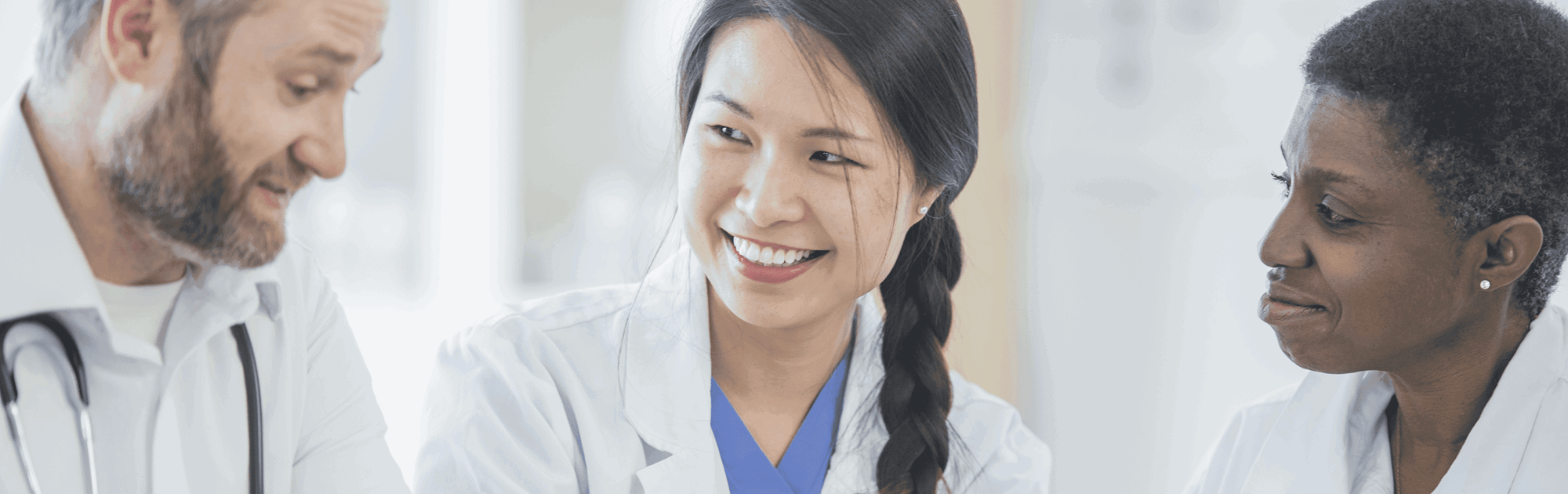
The Division of Endocrinology at SickKids is dedicated to improving the health of children and adolescents with endocrine disorders. Our mission is to provide the best in family-centered, compassionate care, to lead in scientific and clinical advancement, and to prepare the next generation of leaders in Paediatric Endocrinology. Paediatric Gynaecology & the SickKids Team Obesity Management Program are subsections of this program.
The Division of Endocrinology provides state-of-the-art comprehensive inpatient and ambulatory care to infants, children and teens across the full spectrum of endocrine disorders. We have a large interdisciplinary diabetes health-care team involved in the care of children with type 1 and type 2 diabetes. We also participate in specialized clinics, including Multidisciplinary Urogenital Disorders, Calcium and Bone Health, Transgender, Endocrine-Gynaecology, the Healthy Living and Oncology Aftercare clinics, where clinicians from different specialties come together to provide care for families.
The Division is very active in many research endeavors in both diabetes and endocrinology. We also have a Subspecialty Fellowship Training Program that is fully accredited by the Royal College of Physicians and Surgeons of Canada.
What we do
The Division of Endocrinology functions as a strong interdisciplinary team in endocrinology and diabetes. The major areas of focus of the division's clinical activities include: comprehensive care of children and teens with disorders of the endocrine system, including diabetes, disorders of growth, thyroid, puberty, pituitary, and calcium and bone.
The Division has a Nurse Practitioner who facilitates a Congenital Hypothyroidism clinic and our staff participate in specialized interdisciplinary clinics throughout the hospital. The Division also has strongly integrated clinical research as part of our model of care.
Programs and services





-
- Congenital Adrenal Hyperplasia Booklet (CAH)
- Adrenal Insufficiency: A Guide for Families
- How To Give Florinef To Babies (PDF)
- Hydrocortisone Suspension
- Cushing’s Syndrome
- Addison’s Disease
- How the Body Works: Sex Development
- Stress Dosing/Illness Dosing (PDF)
- Stress Dosing Chart (PDF)
- Adrenal Insufficiency Daycare Letter (PDF)
- Travel Letter for Adrenal Insufficiency (PDF)
- Kids and Their Bones: A Guide for Parents
- Bone Health: The Role of Calcium and Vitamin D
- Vitamin D Deficiency and Rickets Created by BC Children's Hospital (PDF)
- XLH (X-Linked Hypophosphatemic Rickets)
- Osteoporosis: Overview
- Hypoparathyroidism
- Pseudohypoparathyroidism
- Hyperparathyroidism
- Hypocalcemia
- Hypercalcemia
- Pamidronate (PDF)
- Zoledronate (PDF)
General
Growth Hormone Deficiency
- Growth Hormone Deficiency: A Guide for Families
- Beginning Growth Hormone Therapy: FAQ
- Growth Hormone Travel Letter (PDF)
Short Stature (SGA & Growth)
General
- Puberty: Girls
- Puberty in Girls
- Puberty: Boys
- Puberty in Boys
- Low Production of Sex Hormones
- Breast Tissue in Boys
Early Puberty
Delayed Puberty
Polycystic Ovary Syndrome
General
- Thyroid Function, Anatomy and Hormones
- Thyroid Disease in Childhood
- Thyroid Disease and Diabetes
- How to Give L-Thyroxine to Babies (PDF)
- Pediatric Thyroid Function Tests
Hypothyroidism
Hyperthyroidism
- Hyperthyroidism Booklet created by BC Children's Hospital
- Graves Disease in a Newborn (Neonatal Graves Disease) Created by Standford Children's Hospital
- Hyperthyroidism in Children and Adolescents
Thyroid Nodules and Cancer
- What is Thyroid Cancer?
- Thyroid Cancer for Teens
- Thyroid Biopsy/FNA Using Image Guidance
- What to Expect After Thyroid Biopsy? (PDF)
- What to Expect After Surgery (Thyroidectomy)? (PDF)
- Instructions for Patients Receiving Radioiodine Therapy (PDF)
- Low Iodine Diet Pamphlet created by Thyroid Cancer Canada
- Hypocalcemia Post Surgical Monitoring
- Thyroid Nodules in Children and Adolescents
- Pediatric Differentiated Thyroid Cancer
- Diabetes Insipidus After Brain Tumour Treatment
- Thyroid Abnormalities After Brain Tumour Treatment
- Effects of Brain Tumours and Treament on Growth in Childhood
- Effects of Brain Tumours and Treatment on the Adrenal Glands
- Puberty and Fertility in Boys After Diagnosis and Treatment for Brain Tumours
- Puberty and Fertility in Girls After Diagnosis and Treatment for Brain Tumours
- Osteoporosis After Brain Tumour Treatment
- Excess Weight Gain After Brain Tumour Treatment
Who we are
The staff in the Division of Endocrinology provide state-of-the-art comprehensive inpatient and ambulatory care to infants, children and teens across the full spectrum of endocrine disorders.
Because SickKids is a teaching hospital, all staff are affiliated with Endocrinology at the University of Toronto.
Expand each section below to see what our acclaimed staff are researching.
Dr. Jill Hamilton’s research and clinical interests focus on children and adolescents at risk for the development of type 2 diabetes and weight-related health issues.
This includes children and adolescents with complex obesity due to hypothalamic tumors or genetic causes of hypothalamic dysregulation. The main areas of research include (i) evaluation of the determinants of metabolic risk and mechanisms for weight gain (ii) food intake and appetite hormone regulation, and (iii) treatment of complex obesity and type 2 diabetes. I have over 150 peer-reviewed publications and have received research funding from agencies including Canadian Institutes for Health Research (CIHR), National Institute of Health (NIH), Heart and Stroke Foundation and Canadian Diabetes Association.
Dr. Mahmud's current research focuses on diabetes, specifically clinical and lifestyle-based interventions in high risk pediatric groups, and translational research relating to co-morbid autoimmune conditions and social determinants including the early evaluation and prevention of related complications.
He is the lead investigator for the Adolescent Type 1 diabetes Treatment with SGLT2i for hyperglycEMia & hyPerfilTration (ATTEMPT) study, an international, double-blind, randomized control trial. Dr. Mahmud also serves as principal investigator of the Adolescent Diabetes Cardio-Renal Intervention Trial (AdDIT) Expansion in Canada, and is currently engaged with the CanSOLVE CKD-SPOR Initiative.
Dr. Mahmud has a longstanding interest in Celiac Disease as an association with Type 1 Diabetes. He serves as principal investigator of a dietary intervention study, the Celiac Disease and Diabetes - Dietary Intervention and Evaluation Trial (CD-DIET), which has now concluded, and its ongoing follow-up study the Celiac Disease and Diabetes Longitudinal Follow-Up Evaluation (CD-LiFE).
Dr. Mahmud is also leading the Diabetes Registry, a platform designed to expand patient access to diabetes-related research at SickKids, and is currently serving as chair for the 2020 International Society for Pediatric and Adolescent Diabetes (ISPAD) virtual conference.
Dr. Palmert has a long-standing interest in the regulation and disorders of pubertal timing. He has conducted clinical studies of precocious and delayed puberty and in parallel has directed a laboratory-based program designed to identify and understand genetic factors that regulate the onset of puberty.
His interest in the regulation of pubertal timing and in male-female differences in its onset has led to the expansion of his laboratory-based program to include investigation of the bases of sex differences in the brain, including examination of the effects of sex steroids and sex chromosomes on brain structure and function. In the clinical realm, Dr. Palmert has conducted research focused on improving outcomes of youth with type 1 and type 2 diabetes, improving the care of transgender adolescents, and optimizing the use of resources and diagnostic tests within the endocrine clinics.
Dr. Shulman’s research program is focused on developing and evaluating health services interventions to improve health outcomes and the quality of care for youth living with diabetes as they transition to adult care. She is particularly interested in developing and evaluating interventions that leverage existing population-level administrative datasets to inform health system change. She works with teams of researchers from disciplines including health service research, implementation science, and quality improvement.
Currently, Dr. Shulman has two multi-centre research studies with active participant recruitment, one called "Bridging the gap to optimize care and outcomes for youth with diabetes between pediatric and adult diabetes care (BTG)", which is a survey study investigating the gaps in services and other issues that young adults with type 1 diabetes face during their transition to adult care. The second is called "Keeping in Touch (KiT) with Young Adults as They Transition Through Type 1 Diabetes Care (KiT)" which is a research study that builds and tests a digital app to improve the process and health outcomes of adolescents and young adults living with T1D as they transition to adult care.
Dr. Wasserman’s research focuses primarily on paediatric thyroid cancer and spans both clinical and translational domains. Thyroid carcinoma is the most common endocrine malignancy and is the most common cancer in adolescent and young women in Canada. Although frequently more extensive and aggressive than thyroid cancer in older adults, paediatric and adolescent thyroid carcinoma is generally associated with excellent prognosis.
Dr. Wasserman’s research aims to identify the biological underpinnings of this behaviour and to identify improved treatment and follow-up paradigms for paediatric and adolescent patients with thyroid malignancies. His team is using a number of research modalities to explore this including both genomic approaches as well as population-level databases.
Dr. Diane Wherrett's research interests are focused on type 1 diabetes with the goal of delaying and preventing progression of the disease. She is the Centre Director and Steering Committee Member for Type 1 Diabetes TrialNet, an international research organization which shares this mission.
She is the lead investigator for all eleven TrialNet sites across Canada. Dr. Wherrett is chair of TrialNet's NIH funded, risk screening study "Pathway to Prevention" which offers unique screening that can identify the early stages of T1D years before any symptoms appear and can assess an individual's personal risk of developing the disease. Dr. Wherrett is also involved in several ongoing clinical trials which aim to slow down or stop early stage T1D from progressing to clinical diagnosis.
The Division of Endocrinology is accredited by the Royal College of Physicians and Surgeons of Canada for the training of individuals interested in pursuing a career in Paediatric Endocrinology and Metabolism. In addition, the Division offers educational experience in pediatric endocrinology to residents in general pediatric training programs, medical students, allied health members and observers.
The fellowship program aims to provide broad training in clinical pediatric endocrinology with opportunities to develop clinical, research and education skills. The program is two or more years of training. The first year is predominantly a clinical year, with the second year of training tailored to the trainee’s career goals in either clinical endocrinology, clinical or basic research, education or quality improvement. There may be a possibility of further research training dependent on the availability of funding.
Clinical training
The clinical training for fellows offers an extensive exposure to both in-patient and ambulatory pediatric diabetes and endocrinology.
- Diabetes Service: three diabetes clinics a week that take place in the context of a large multidisciplinary team of endocrinologists, diabetes nurse educator, dietitians, social workers and psychologists
- General endocrine service: follows children with all type of endocrine disorders with four general endocrine clinics a week
- Subspecialty endocrine clinics: in addition to general endocrine clinics, there are subspecialty clinics which the trainees will have exposure to including: Bone Health, Calcium disorders, Endocrine-gynecology clinics, Late Effects of Cancer therapy, Complex Obesity, Transgender and Multi-disciplinary Urogenital clinics.
Research training
Primary research activities in the Division of Endocrinology occur in a variety of different areas of clinical investigation. Further research opportunities may also be available with other researchers within the University of Toronto.
Application process
Canadian trainees are to apply through CaRMS.
To apply to the program, please submit your fellowship application through our online form and include the following attachments:
- Current Curriculum Vitae
- Copy of Medical Degree
- Academic Transcripts (undergraduate and postgraduate)
- Copy of Paediatrics Specialty Certificate (if you are currently a Paediatric trainee, please arrange for your Program Director to provide us with a letter of good standing)
- Letter of Intent describing your interest in endocrinology and career interests
Applications for the 2024/2025 academic year have closed. We are currently accepting applications for the following academic year commencing July 2025. The deadline date to apply is January 19, 2024.
Endocrinology Fellowship Application
In addition, please ask three individuals who know you well to send confidential letters in support of your application to endo.program@sickkids.ca. One letter should come from your residency program director. Your referees should comment upon your interpersonal skills, clinical skills and provide us with some insights regarding your background or potential for research.
Applicants will need to have completed pediatric training by the time fellowship training begins.
If you have applied to the U.S Match through the National Residency Matching Program (NRMP), please be advised that the University of Toronto is a participating institution and adheres to the match policy.
The policy states that "applicants who have matched to a program or have accepted a position during the Supplemental Offer and Acceptance Program (SOAP), shall not apply for, discuss, interview for, or accept a concurrent year position in another program prior to the NRMP granting the requested waiver."
The elective program is geared towards Paediatric Residents training in Canada as well as Canadian and International Medical Students. This is a three to four-week elective designed to be a mix of clinics plus inpatient service. The rotation is not divided into separate clinics and service weeks. This is to maximize clinical exposure and introduce residents to the organizational skills required to balance inpatient and outpatient work, which many paediatricians need to manage. There will be hands on patient care, ward rounds, divisional rounds and attendance at diabetes and endocrine clinics. Students are also exposed to the academic activities of the Division of Endocrinology, including case discussions, case reviews and journal clubs. This elective is coordinated though the Electives Office at the University of Toronto in consultation with Dr. Carol Lam, Program Director.
Due to the lengthy process required for permits, licensing and registrations, the Division of Endocrinology currently does not accept international Paediatric Resident Electives. However, we do have an Observership Program (detailed in the next section).
Application procedures for Paediatric Residents training in Canada
- Applications for Paediatric Residents training in Canada are submitted through U of T/PGME Electives Portal.
Application procedures for Medical Students
- Applications for Canadian medical students are submitted through MEDSIS.
- Applications for international medical students are submitted through the AFMC Portal. Please note that international medical students will be required to submit their CV showing their past clinical experience as well as their TOEFL scores.
The observership program is designed to help non-licensed International Medical Graduates gain experience in the Canadian healthcare system. The Division of Endocrinology supports this endeavour through a 2-4 week observership where the individual observes activities in clinics, ward and divisional rounds. These physicians must be in a pediatric endocrinology training program or currently practicing in pediatric endocrinology and meet the criteria for an observership in our division.
We are only able to accept a limited number of observers into our division, due to the overwhelming number of applications for observerships, and the large number of trainees and elective medical students and residents rotating through our busy subspecialty program.
For more information, please contact:
Dr. Carol Lam, Training Program Director
Nirthikaa Parameswaran, Education Administrative Coordinator
Paediatric Endocrinology Training Program
The Hospital for Sick Children
The University of Toronto
Phone: 416-813-5991
Email: endo.program@sickkids.ca
Contact Endocrinology
Educational Program: endo.program@sickkkids.ca
416-813-5991
Main Administrative Office:
416-813-6217
Fax:
416-813-6304
Clinic:
416-813-5592
Our history
The Division of Endocrinology can trace its roots to the early days after the discovery of insulin by doctors Banting and Best at the University of Toronto. In 1923, Dr. Fred Banting was appointed physician in charge of diabetes at The Hospital for Sick Children (SickKids), and a specialized diabetes clinic was established the following year. This made it possible to carry out metabolic studies that helped establish the principles of care for children with juvenile diabetes.
Endocrinology research became more firmly established at SickKids with the appointment of Dr. A. L. Chute to the Department of Physiology in 1939 and the establishment of a semi-autonomous Research Institute in 1953. Throughout his long and illustrious career at SickKids, Dr. Chute conducted landmark clinical studies which led to a better understanding of the long-term complications of juvenile diabetes and the efficacy of animal growth hormone in treating children with pituitary deficiency, among other things. He was also instrumental in the formation of the Canadian Diabetes Association.
The Division became a formal entity in 1970, and quickly became known as a pioneering centre for paediatric endocrine research and clinical studies. Of particular note was the establishment, in the mid-70s, of a newborn screening program for congenital thyroid deficiency.
The diabetes program has continued to be a focal point of the Division's activities. Close to 100 children and adolescents with new-onset diabetes are assessed every year, and over 800 receive comprehensive tertiary care at SickKids.
Our program has evolved over the years and includes complex care of children and adolescents with diabetes and endocrine disorders and development of new interdisciplinary speciality clinics. Over the years, we have trained several generations of Paediatric Endocrinologists from around the world.