

Paediatric Medicine
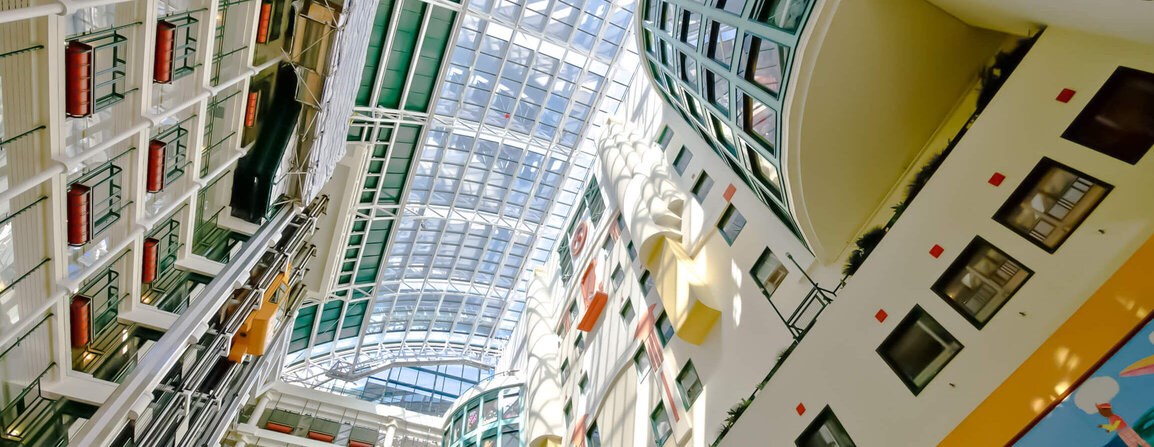
Paediatric Medicine inpatients are a diverse population, including children with common paediatric conditions (e.g. asthma, bronchiolitis, pneumonia, sickle cell disease, seizures); those with complex multi-system disorders who are often technology-dependent and require multidisciplinary care; and children with undifferentiated or undiagnosed conditions who benefit from subspecialty consultation.
The majority of patients are admitted via the Emergency Department and Intensive Care Units, with the remainder transferred from other hospitals. Patients who don’t require tertiary or quaternary care are often transferred from SickKids to our network of paediatric community partners.
Multidisciplinary care
Each of the Paediatric Medicine teams is led by an attending physician working with a senior paediatric trainee (fellow or resident) and/or junior residents and medical students. Nurse Practitioners and Physician Assistants are also integral parts of our care teams. Our teaching mandate extends to a robust schedule of daily teaching rounds, in addition to bedside teaching on the units.
Families cared for on the inpatient units benefit from daily Family-Centered Rounds, where family input is solicited and the plan of care is discussed with the medical, nursing, and interdisciplinary team members. Patients with medical complexity are followed by an Advanced Practice Nurse who provides continuity and acts as a liaison between the inpatient and ambulatory Complex Care teams.
The Paediatric Medicine inpatient leadership team ensures that the units are accountable to quality metrics, demonstrating ongoing commitment to the principles of safe, timely, effective, efficient, equitable, and patient centered care.
The SCAN Program provides a link between SickKids and community doctors and hospitals, Children's Aid Societies, law enforcement and other community agencies.

Our expert staff paediatricians care for children with medical complexities.
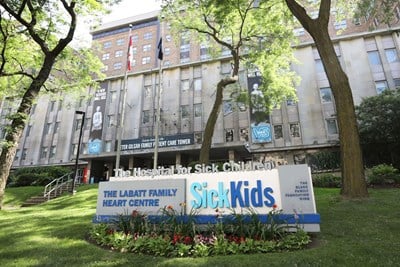
PACT meets with children and their families when a child is facing a serious illness to provide an extra layer of support and maximize quality of life.

Paediatric Consultation Clinic
The Paediatric Consultation Clinic (PCC) provides consultations for patients from the GTA and throughout Ontario with complex paediatric problems.

The ABILITY Program provides in-patient consultation and out-patient care for children and youth with a diagnosis of Autism Spectrum Disorder and/or an Intellectual and Developmental Disability.
Faculty
Prior to the formal development of the division, community-based paediatricians, with part-time faculty appointments made enormous contributions to the hospital and Department of Paediatrics through the provision of patient care and teaching on inpatient units and in ambulatory clinics.
The Division of General Paediatrics was formally established in 1981, with Dr. Robert Hilliard as the first Division Head, and one of two full-time faculty. The division's initial mandate included overseeing several inpatient units, general paediatric clinics and walk-in clinics. During the 1980s, the general paediatric clinics developed a strong focus on secondary care, as well as collaboration with developmental and behavioural paediatricians and psychiatrists.
Division Head: Dr. Michelle Shouldice
- Dr. Tanvi Agarwal
- Dr. Hosanna Au
- Dr. Carolyn Beck
- Dr. Nirit Bernhard
- Dr. Stacey Bernstein
- Dr. Catherine Birken
- Dr. Zia Bismilla
- Dr. Cory Borkhoff
- Dr. Romy Cho
- Dr. Eyal Cohen
- Dr. Emma Cory
- Dr. Ronald Cohn
- Dr. Malini Dave
- Dr. Catherine Diskin
- Dr. Mark Feldman
- Dr. Jeremy Friedman
- Dr. Beth Gamulka
- Dr. Peter Gill
- Dr. Astrid Guttmann
- Dr. Joelene Huber
- Dr. Louise Ing
- Dr. Natalie Jewitt
- Dr. Julie Johnstone
- Dr. Laura Kinlin
- Dr. Ching See Lau
- Dr. Sarah Lord
- Dr. Sanjay Mahant
- Dr. Rachel Markin
- Dr. Niraj Mistry
- Dr. Charlotte Moore Hepburn
- Dr. Kate Nelson
- Dr. Julia Orkin
- Dr. Pat Parkin
- Dr. Laila Premji
- Dr. Adam Rapoport
- Dr. Daniel Roth
- Dr. Natasha Saunders
- Dr. Sarah Schwartz
- Dr. Shawna Silver
- Dr. Jennifer Smith
- Dr. Susanna Talarico
- Dr. Janaki Vallipuram
- Dr. Meta Van den Heuvel
- Dr. Michael Weinstein
- Dr. Peter Wong
- Dr. Brie Yama
- Dr. Frances Yeung




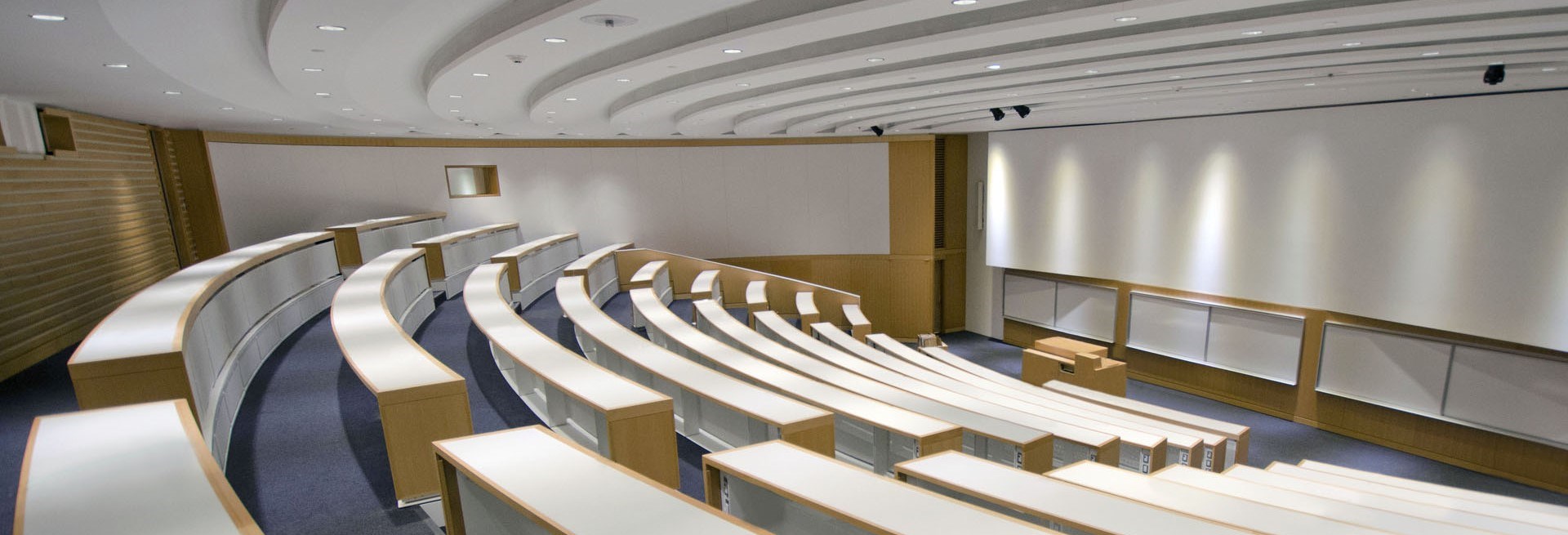
Since 1992, The Division of Paediatric Medicine at SickKids has offered a range of fellowship training opportunities. Our mission is to train and foster the development of the next generation of leaders in Paediatric Medicine. Our vision is an environment wherein academic general paediatricians are key leaders in improving the health of children nationally and beyond. The values of our fellowship are the belief that advocacy, education, research, and scholarly clinical care are all integral vehicles to improve the health of children; the generalist philosophy is an important lens in which to see issues around child health; honesty and integrity are core to individual conduct; and that creativity and innovation are critical to advancement of our field.
Paediatric Medicine fellowship programs are organized into multiple tracks (see below). These programs are not currently accredited by the Royal College of Physicians and Surgeons of Canada. Clinical and academic streams within these tracks reflect specific areas of focused content and available graduate training programs. The fellowship program tracks and streams reflect the diverse clinical and research expertise and interests of the Paediatric Medicine faculty, and the range of graduate training opportunities available through the University of Toronto.
Each fellowship track has an accompanying curriculum with goals and objectives which is tailored to meet individual candidates’ needs. A core teaching curriculum is available for all fellows, with additional focused teaching provided within specialized tracks. The divisional fellowship programs are administered by a program director, associate program director and track directors. Each fellow is assigned a faculty supervisor appropriate for their stream of training. An oversight committee consisting of two to three faculty (supervisor, an additional divisional faculty member and where appropriate, an external faculty) provides supervision and mentorship for each fellow.
International applicants
For Non-Canadian trainees who are citizens and sponsored by the following countries:
- Bahrain
- Kuwait
- Oman
- Qatar
- Saudi Arabia
- United Arab Emirates
Please visit: University of Toronto, Fellowship Training.
All interested applicants should carefully review the information below to find the appropriate fellowship track as application details and deadlines vary. If you have questions, kindly contact paedmed.fellowship@sickkids.ca for fellowship inquiries.
Interim Program Director: Dr. Julie Johnstone
Associate Program Director: Dr. Sanjay Mahant
Download the Paediatric Medicine Fellowship Application (pdf)
Download the Paediatric Medicine referee reference fillable form (pdf)
Goals: Development of academic skills in preparation for a career in academic general paediatrics.
Duration of training: Two years or more.
Eligibility: Successful completion of four years of residency training in paediatrics (or equivalent for international trainees), and FRCPC qualified (equivalent or eligible). Applicants also must have worked in a teriary care inptient setting within the last 3 years.
Program structure: Eighty per cent of the program is focused on scholarship, which typically includes completion of a university masters or PhD degree and one or more research projects. Graduate school tuition fees are not covered by the Fellowship Program. Commitment to clinical activity is typically limited to twenty per cent of program, including two months of inpatient general paediatrics per year, and one half-day outpatient general paediatric clinic per week. The in-hospital on-call commitment is 38 nights/weekend on call shifts per year (three to four per month). Clinical and academic activities may vary from this description based upon individual candidates’ goals and objectives.
Streams
Scholarship Streams
- clinical epidemiology
- health services research
- health professions education
- quality improvement and patient safety
- public health
- bioethics
Clinical Streams
- complex care
- hospital medicine
- inner city health
- preventative and community care
Applications are now closed.
Track directors: Dr. Sanjay Mahant
Goals: To produce paediatricians who are clinically proficient in the practice of paediatric hospital medicine and who are able to engage in health care scholarship and leadership.
Duration of training: Two years.
Eligibility: Prerequisite training must include satisfactory completion of an RCPSC, ACGME or equivalent accredited residency program in paediatrics. Applicants must also have worked in a tertiary care inpatient setting within the last 3 years.
Program structure: The curriculum is composed of 26 blocks (including two blocks of vacation). The duration of each block is four weeks and may be taken in traditional block scheduling or in the form of longitudinal experiences when appropriate.
- A minimum of 12 blocks of clinical experience is required with the option for fellows to pursue additional clinical rotations based on their personal career goals.
- A minimum of 6 blocks of scholarly experience will include exposure to quality improvement, education and clinical research, as well as in-depth training in 1 of these areas, dependent upon the fellow’s personal career goals.
- In-house on-call coverage (overnight and weekends) will be 4-5 calls per block, totaling up to 54 calls per year, which may include a component of night float.
Applications are now closed. Off cycle applicants may be considered on a case by case basis.
Track director: Dr. Zia Bismilla
The Hospital for Sick Children and University of Toronto are pleased to offer a one-year fellowship in Community Paediatrics. The fellowship application is open to all residents, upon successful completion of four years of core training (with application in the third year of residentcy) and will begin with the fellowship starting in their PGY5 year.
Currently, academic children’s hospitals provide ideal training for paediatric subspecialist, researchers and paediatricians who hope to work in an academic children’s hospital. For those paediatricians who choose to work in the community, this fellowship will add certain skill sets which have become increasingly important due to the changing nature of the role of the community paediatrician.
The purpose of this fellowship is to provide additional clinical, leadership and teaching training for residents whose career paths will lead them to consulting, hospital-based paediatrics, teaching trainees either in a rural community or in an urban general hospital. This fellowship will also provide an opportunity for ‘career-sampling’ while rotating through community hospitals in the greater Toronto area.
Goals: We believe that graduates of this fellowship will be comfortable practicing away from the immediate support of a children’s hospital, in any settings in which they find themselves and will be considered valuable assets as leaders in child and youth health for the community in which they choose to practice.
The skill sets for which the fellowship training focuses most heavily are in [1] acute care neonatology [2] outpatient mental health, development and learning challenges and [3] teaching scholarship (a ‘teach-the-teacher’ course is part of the fellowship)
Please inquire about the specific curriculum for the fellowship and for more information, interested individuals should contact Dr. Mark Feldman.
Duration of training: One year (PGY5 year).
Eligibility: Successful completion of four years of paediatric residency, and FRCPC eligible. Application takes place in THIRD year of residency,
Applications are now closed.
Goals: Development of clinical and academic skills in preparation for a career in child maltreatment paediatrics. Specific objectives include acquisition of clinical skills required to diagnose and manage acute and chronic manifestations of child abuse, demonstration of competence in inter-professional clinical work and teaching with an intersection with the justice system, successful completion of scholarly work relevant to child maltreatment, and expertise in administrative, legislative, and policy issues relevant to child abuse.
Duration of training: One to two years.
Eligibility: Successful completion of four years of residency training in paediatrics (or equivalent for international trainees), and FRCPC qualified (equivalent or eligible).
Program structure: Clinical rotations are focused in child maltreatment with the inter-professional Suspected Child Abuse and Neglect (SCAN) program. Other clinical opportunities include: adolescent medicine, paediatric gynecology, paediatric radiology/neuroradiology, forensic pathology, malnutrition cases in an infant feeding clinic and elective experiences with other hospital-based child protection teams. Fellows will be expected to take on a graduated role in teaching and to complete a scholarly project and will be expected to attend a conference relevant to the field. On call requirements will include a combination of inpatient general pediatrics call coverage and home call with the SCAN program.
Applications are now closed.
Track director: Dr. Romy Cho
Visit the Paediatric Advanced Care Team (PACT) page to learn more about education opportunities in palliative care at SickKids.
Goals: To produce paediatricians who are clinically proficient in caring for children with medical complexity in acute care and outpatient settings and who can engage in health care scholarship and leadership.
Duration of training: One year.
Eligibility: Prerequisite training must include satisfactory completion of an RCPSC, ACGME or equivalent accredited residency program in paediatrics.
An elective experience with the Complex Care Program at the Hospital for Sick Children is strongly recommended when considering an application to the program.
Program structure:
The one-year curriculum comprises 13 blocks (4 weeks), including a vacation block. However, to accommodate the continuing nature of care of children with medical complexity (CMC), some aspects of fellowship will be a longitudinal experience. Clinical experience will include inpatient paediatric medicine including 38 in-house nights or weekends calls per year (3-4 per month), palliative care, developmental paediatrics, dedicated exposure to related specialties – orthopaedics, child maltreatment, feeding, with electives related to their personal career goals. The fellowship will also include dedicated exposure to related areas, including ethics, quality improvement, patient safety, and patient and family engagement. Clinical and academic activities may vary from this description based upon individual candidates’ goals and objectives.
Please inquire about the specific curriculum for the fellowship, and for more information, interested individuals should contact Dr. Catherine Diskin.
Applications are now closed.
Track director: Dr. Catherine Diskin
Neurodevelopmental Hospital Medicine/ABILITY Program Fellowship
Neurodevelopmental Hospital Medicine/ABILITY Program Fellowship
Goals: A clinical fellowship program designed to advance expertise in hospital-based care for neurodiverse children and youth, including those with autism spectrum disorder (ASD), intellectual/developmental disabilities, and Trisomy 21. This fellowship equips trainees with specialized skills in clinical care, interdisciplinary collaboration, adaptive care planning, and advocacy, preparing them for clinical roles in academic, tertiary, or community-based pediatric hospitals. The program emphasizes an individualized approach to the unique and intersecting health needs of neurodivergent children and youth, including medical, behavioral, and mental health challenges, nutritional complexities, and the development of adaptive, trauma-informed care strategies. Graduates will be equipped to serve as clinical leaders in advancing inclusive, equitable hospital care for neurodivergent patients within hospital systems.
Duration of training: One year
Eligibility: Successful completion of residency training in Pediatrics, Child and Adolescent Psychiatry, Developmental Pediatrics, or Family Medicine and CCFP or FRCPC qualified (equivalent or eligible).
Program structure: This fellowship will balance clinical training, scholarly activities, and educational opportunities, with a focus on addressing the unique needs of neurodiverse children and youth in hospital settings. It will be a longitudinal structure with primary involvement with the ABILITY in-patient team, with opportunity for electives and ABILIY clinic time. ABILITY clinics include: Psychiatry, Down Syndrome, Restricted Eating, and Medical clinics.
We are accepting applications for a July 2027 start. Please contact paedmed.fellowship@sickkids.ca for further details.
Track director: Dr. Miriam Maarse