

Global trial supported by SickKids stem cell research shows targeted heart drug reduces obstructive HCM in youth
Summary:
A phase 3 clinical trial found that mavacamten can improve flow through the left ventricle, with the potential to spare some patients with hypertrophic cardiomyopathy from open-heart surgery.
A global clinical trial involving The Hospital for Sick Children (SickKids) has found that mavacamten — a heart medication previously approved for adults — can safely and effectively improve the flow of blood through compromised left ventricles in youth with hypertrophic cardiomyopathy (HCM).
Published in the New England Journal of Medicine, the study is the first phase 3 randomized, double-blind, placebo-controlled trial conducted in youth with HCM, the most common inherited type of heart disease.
Currently, there are no approved treatments for children and youth that target the cause of HCM, only medications to relieve symptoms. Those symptoms can be severe and, for many people, the medications may not work, leaving surgery as the only option to relieve the obstruction.
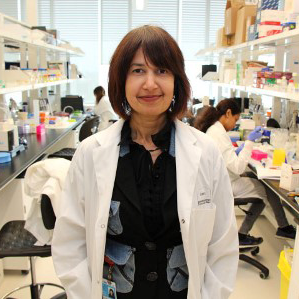
“These are truly exciting results that represent real-world bench to bedside precision medicine,” says senior author Dr. Seema Mital, Head of Cardiovascular Research and Staff Cardiologist, who helped design the trial.
“It’s one of very few positive drug trials in paediatric cardiology and could help many families avoid open-heart surgery,” adds co-author Dr. Aamir Jeewa, Project Investigator, Section Head of Heart Failure and Staff Cardiologist.
Answers begin in SickKids stem cell research
Earlier this decade, researchers in the Mital lab began investigating whether a targeted therapy could address the underlying biology of HCM. The team converted cells from patient samples in the Heart Centre Biobank into induced pluripotent stem cells (cells that have been genetically reprogrammed back into an embryonic-like state), and then into beating heart cells. This enabled them to model the disease in the lab.
Among the treatments they studied was mavacamten, a myosin-targeted inhibitor that was just beginning to be assessed for use in adults with HCM. Their lab work at the paediatric level showed that mavacamten rescued the heart’s pumping ability across all genetic forms of HCM.
The findings, published in 2024, set the stage for a clinical trial.
“In most cases, drugs that work in adults don’t end up being effective because the underlying cause of heart failure is often different in children,” says Mital, who is also a Senior Scientist in the Genetics & Genome Biology program. “But hypertrophic cardiomyopathy is a genetic condition, which gave us a clear biological target to explore — and it worked.”
The promise of SCOUT-HCM
The phase 3 trial, called SCOUT-HCM (“Study of mavacamten in adolescents with symptomatic obstructive HCM"), enrolled 44 patients aged 12 to 18 across nine countries. All participants were experiencing HCM symptoms despite standard treatment with medications such as beta blockers.
After 28 weeks of treatment in the trial, patients receiving mavacamten experienced substantially less obstruction to the left pumping chamber, compared with minimal improvement in those receiving placebo.
Those receiving mavacamten also experienced additional benefits beyond blood flow, including improved symptoms, exercise capacity, reduced heart thickness and stiffness, and decreased cardiac stress.
Notably, no patient in the trial experienced a serious decline in heart function, a side effect which has required some adults with HCM to temporarily stop the medication.
“This study shows precision therapeutics can change the disease pathophysiology, giving real hope to patients with hypertrophic cardiomyopathy,” Mital says. “It began at SickKids — testing the drug in patient-derived cells and confirming its effects in the lab — and then saw those findings translate into improvements for actual children around the world.”
SCOUT-HCM investigators will continue to follow patients for three years to see if these positive benefits are sustained over time.
SCOUT-HCM was presented as a late-breaking clinical trial at the American College of Cardiology’s annual conference this week in New Orleans. This research was funded by Bristol Myers Squibb. Dr. Mital is a member of the trial's Scientific Advisory Committee. The earlier stem cell work was funded by Canadian Institutes of Health Research (CIHR) and the Ted Rogers Centre for Heart Research.